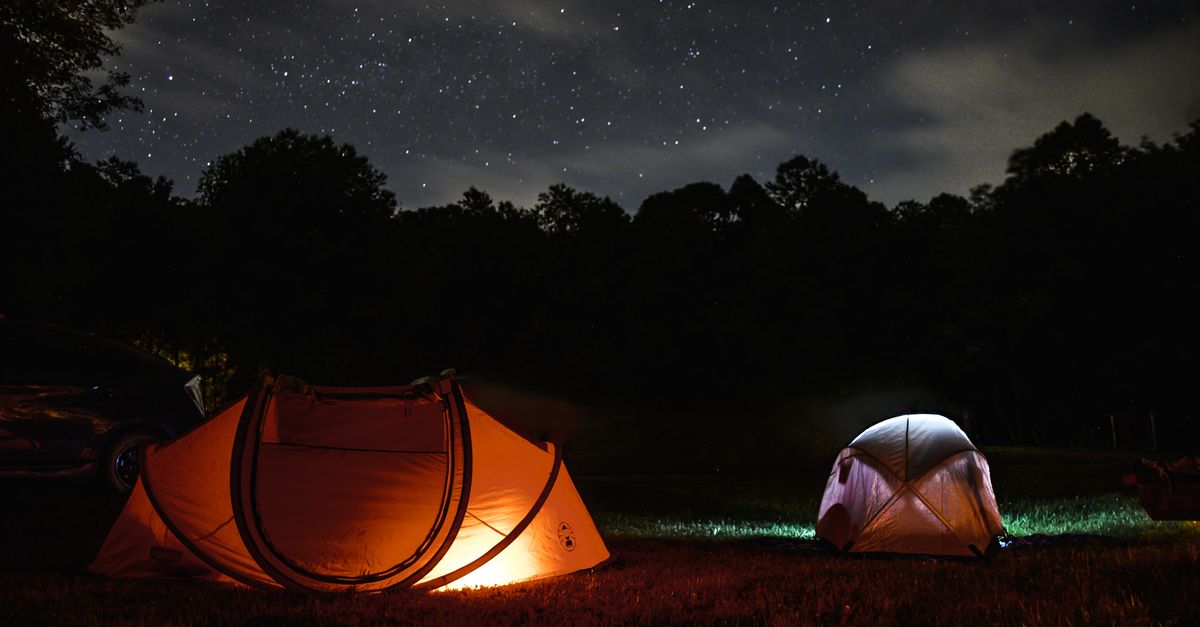
Why Most Budget Camping Tents Fail You (And What Actually Works for Real Durability and Comfort)
Camping is a fantastic way to reconnect with nature, but I’ve seen countless trips — and friendships — dampened by a single, critical piece of gear: the tent. There’s a common misconception that all tents, especially for casual campers, are more or less the same, save for a few cosmetic differences and a price tag. In my years of outdoor adventures, from serene forest getaways to unexpected torrential downpours, I’ve learned that this couldn’t be further from the truth. The mistake I see most often is newcomers picking the cheapest tent available, only to discover its fatal flaws when they’re miles from civilization, shivering and soaked.
I’ve been there myself. My very first camping tent was a ‘bargain’ I snagged for under $50. It promised easy setup and waterproof protection. On its maiden voyage, a light drizzle turned into a persistent rain. By morning, my sleeping bag was damp, and a small puddle had formed in one corner. It wasn’t a catastrophic failure, but it certainly wasn’t comfortable or confidence-inspiring. What changed everything for me was realizing that a tent isn’t just a fabric shell; it’s a carefully engineered system, and cutting corners on that engineering inevitably leads to a miserable experience. You don’t need to break the bank, but you do need to understand where to invest your money to avoid costly and uncomfortable mistakes.
Key Takeaways
- Cheap tents often fail due to inadequate waterproofing and flimsy construction, leading to leaks and discomfort in unpredictable weather.
- Prioritize tents with a high hydrostatic head rating (1500mm+ for fly, 3000mm+ for floor) and taped seams to ensure true waterproof performance.
- Look for robust pole materials like aluminum or reinforced fiberglass, along with quality zippers and reinforced stress points for long-term durability.
- Invest in thoughtful design features such as proper ventilation, vestibules for gear storage, and easy, intuitive setup for a more comfortable and practical camping experience.
The Illusion of ‘Waterproof’ (And Why Millimeters Matter More Than Marketing)
The biggest lie budget tents tell you is that they are ‘waterproof.’ Most budget tents proudly declare themselves as such on the packaging, but a light rain shower quickly reveals this to be marketing puffery, not a true engineering specification. I remember one particular group trip where a friend showed up with a brand-new, brightly colored tent, boasting about its ‘waterproof’ claims. Less than two hours into a steady rain, water was seeping through the fly and pooling at the corners of the floor. Everyone else, tucked away in their slightly more expensive (but significantly drier) tents, just shook their heads.
The critical factor here is the hydrostatic head (HH) rating, measured in millimeters (mm). This number tells you how much water pressure a fabric can withstand before it leaks. A cheap tent might have a fly with an HH of 600mm-1000mm, which is barely sufficient for a light drizzle. In my experience, for reliable rain protection, you need a minimum of 1500mm for the rainfly and ideally 3000mm or more for the tent floor. The floor needs to be significantly more waterproof because it’s under constant pressure from you, your gear, and any groundwater. If the packaging doesn’t list an HH rating, assume it’s low.
Beyond the fabric itself, seam sealing is paramount. A tent made from waterproof fabric is useless if water can seep through the stitching. Budget tents often skip factory seam taping, or use cheap, ineffective tape that peels off after a couple of uses. What actually works is a tent where all seams, especially on the fly and floor, are factory-taped with high-quality, durable tape. You can manually seal seams yourself, but it’s a tedious process and rarely as effective or long-lasting as a professional factory job. This small detail is often the difference between a dry night and a ruined trip.
The Flimsy Framework: Poles, Zippers, and Weak Points
A tent is only as strong as its weakest point, and in budget tents, there are usually several. The poles are often the first to go. Many cheap tents use thin, hollow fiberglass poles that are brittle and prone to splintering or snapping under even moderate wind or stress. I once saw a friend’s budget tent collapse in a gust of wind that barely swayed the trees around us. The fiberglass pole simply buckled and split.
What actually works for durability are poles made from aluminum alloy or, at a minimum, reinforced fiberglass that feels thicker and less flexible. Aluminum is lightweight, strong, and flexible enough to bend without breaking in high winds. Always look for pole sections that are securely connected with shock cord that feels robust, not loose. A slightly heavier, stronger pole system will serve you for years, enduring countless setups and takedowns, unlike its budget counterpart that might only last one or two trips.
Beyond poles, consider the zippers. Cheap zippers are a persistent headache, snagging frequently, separating, and ultimately failing to close properly. There’s nothing more frustrating than a tent door that won’t zip shut during a mosquito swarm or a sudden downpour. Look for tents that specify YKK zippers – they are the industry standard for durability and reliability. Finally, examine the stress points where poles connect to the tent fabric, and where guylines attach. These areas should be reinforced with extra stitching and thicker fabric patches. If you can see single stitching or thin fabric at these points, it’s a red flag for premature failure.
The Unseen Sacrifice: Ventilation and Condensation Nightmares
One of the most overlooked aspects of tent design, especially in budget models, is proper ventilation. Many first-time campers don’t realize that simply zipping up your tent to stay warm or dry can lead to a surprisingly damp interior, even if the tent isn’t leaking. This is due to condensation.
Our bodies release a surprising amount of moisture through breathing and perspiration – up to a liter overnight! Without adequate airflow, this moisture gets trapped inside the tent, condenses on the cooler interior walls, and drips down, making everything feel damp. Budget tents often skimp on mesh panels and adjustable vents to cut costs, leaving you in a clammy, stuffy environment. I remember waking up in my old cheap tent, thinking it had leaked again, only to realize the interior was just slick with condensation, making my sleeping bag feel heavy and cold.
What actually works for combating condensation and ensuring comfort is a tent with ample mesh areas (especially on the inner tent body and doors) and strategically placed, adjustable vents on the rainfly. These vents allow warm, moist air to escape while drawing in cooler, drier air from below. A well-designed tent will allow you to maintain airflow even during rain, often through vestibules or protected vents. Look for tents with a full-coverage rainfly that extends close to the ground, but still allows for some air circulation underneath, preventing splash-back while promoting airflow. This balance is crucial for a truly comfortable night’s sleep, regardless of the weather outside.
The Usability Gaps: Space, Setup, and Practical Features
Beyond the basic elements of weather protection and durability, budget tents often disappoint in their practical usability. Manufacturers cut corners by sacrificing thoughtful design features that make a huge difference in the overall camping experience. For instance, the stated capacity – a ‘2-person tent’ – often means two people can physically lie down side-by-side, with absolutely no room for gear, or even to sit up comfortably. This cramped space, combined with poor ventilation, turns a small tent into a sweatbox.
What actually works is to size up your tent from the advertised capacity. If you’re a solo camper, a 2-person tent often provides comfortable room for you and your pack. For two people, a 3-person tent provides much-needed elbow room and space for gear inside, especially if you anticipate bad weather. For a family of four, consider a 6-person tent to avoid feeling like sardines in a can.
Moreover, the setup process on cheap tents can be a nightmare. Confusing instructions, ill-fitting pole sleeves, and flimsy stakes make pitching a chore, especially if you arrive at your campsite in the dark or during inclement weather. Quality tents, even moderately priced ones, often feature color-coded poles and clips, intuitive designs, and high-quality, sturdy stakes that can actually penetrate tough ground. What changed everything for me was a tent with a truly easy setup – the kind you can do solo in under 10 minutes, even in a pinch.
Finally, practical features like vestibules (covered areas outside the tent door for wet gear), interior pockets for organizing small items, and lantern loops for lighting are often skimped on in budget models. These aren’t luxuries; they’re essential for an organized, comfortable, and functional campsite. A tent with adequate vestibule space means you don’t track mud and rain inside, and can keep your boots and wet clothes protected but outside your sleeping area. These details, though seemingly minor, drastically improve the quality of your camping trip.
Frequently Asked Questions
Q: Is it ever okay to buy a budget tent? For example, for backyard camping?
A: For very casual backyard camping on a perfectly clear, calm night, a budget tent might be acceptable. However, even for this, I’d still recommend something with decent waterproofing (1500mm+ HH) and at least factory-taped seams, as dew and unexpected light rain can still cause problems. The main issues of durability and comfort will still be present, but the consequences are less severe.
Q: What’s a good price range to expect for a reliable 2-person camping tent?
A: While prices vary greatly, you can generally find a reliable, durable 2-person camping tent with decent weather protection and features in the $150-$300 range. There are excellent options in the $100-$150 range if you catch a sale, but anything significantly below that often means substantial compromises on quality and durability.
Q: Can I improve a cheap tent’s waterproofing?
A: You can significantly improve a cheap tent’s waterproofing by manually sealing all seams with a dedicated seam sealer (available at outdoor stores) and applying a waterproofing spray to the rainfly and floor. While this helps, it’s rarely as effective or long-lasting as factory-treated fabrics and taped seams on a higher-quality tent.
Q: What’s the best way to extend the life of my tent, regardless of its quality?
A: Always use a footprint (a ground tarp cut slightly smaller than your tent floor) to protect the tent floor from abrasion and punctures. Set up your tent on level ground, clear of sharp objects. Always dry your tent completely before packing it away to prevent mildew and degradation. Store it loosely packed in a cool, dry place, not tightly crammed in its stuff sack.
Q: What are some signs of a truly high-quality tent versus a budget one?
A: High-quality tents will typically list specific material specs (e.g., ‘70D ripstop nylon, 3000mm HH’), use known brand zippers (YKK), feature aluminum poles, have factory-taped seams, include multiple stake-out points and guylines, and offer thoughtful ventilation (e.g., multiple doors with mesh, adjustable vents). The fabric will feel substantial, not thin or plasticky.
The Real Cost of a ‘Cheap’ Tent
Ultimately, the real cost of a cheap camping tent isn’t just the price you pay; it’s the potential for a miserable, uncomfortable, or even unsafe outdoor experience. You don’t want to be miles from anywhere, soaked to the bone because a ‘waterproof’ tent failed in a light rain. While it’s tempting to save a few dollars upfront, the investment in a slightly more robust tent pays dividends in peace of mind, comfort, and longevity. What I’ve learned is that camping should be about enjoying nature, not battling your gear. Prioritize tents with solid waterproofing, durable construction, and thoughtful design, and you’ll find yourself enjoying the outdoors far more. Start by researching hydrostatic head ratings and look for tents that clearly state their material specifications. Your next dry, comfortable night under the stars will thank you.
Written by Lena Petrova
Home & Lifestyle Efficiency
Lena, a lifelong community organizer, excels at finding simple, effective solutions for everyday living.
You Might Also Like

Why Most Beginners Fail at Mastering Their New Air Fryer (And What Actually Works for Crispy, Flavorful Results)
Unlock your air fryer's full potential. Discover why common beginner mistakes lead to disappointing food and what techniques guarantee crispy, delicious results.
Why Most Beginners Fail at Mastering Their New Air Fryer (And The Layered Approach That Actually Works)
Discover why common air fryer mistakes lead to frustration and how a layered approach can unlock perfect crispy, flavorful results every time.

Why Most Budget Headphones Fail You (And What Actually Works for Real Audio Bliss)
Don't settle for muddy sound. Discover why budget headphones disappoint and how to get truly great audio without spending a fortune.