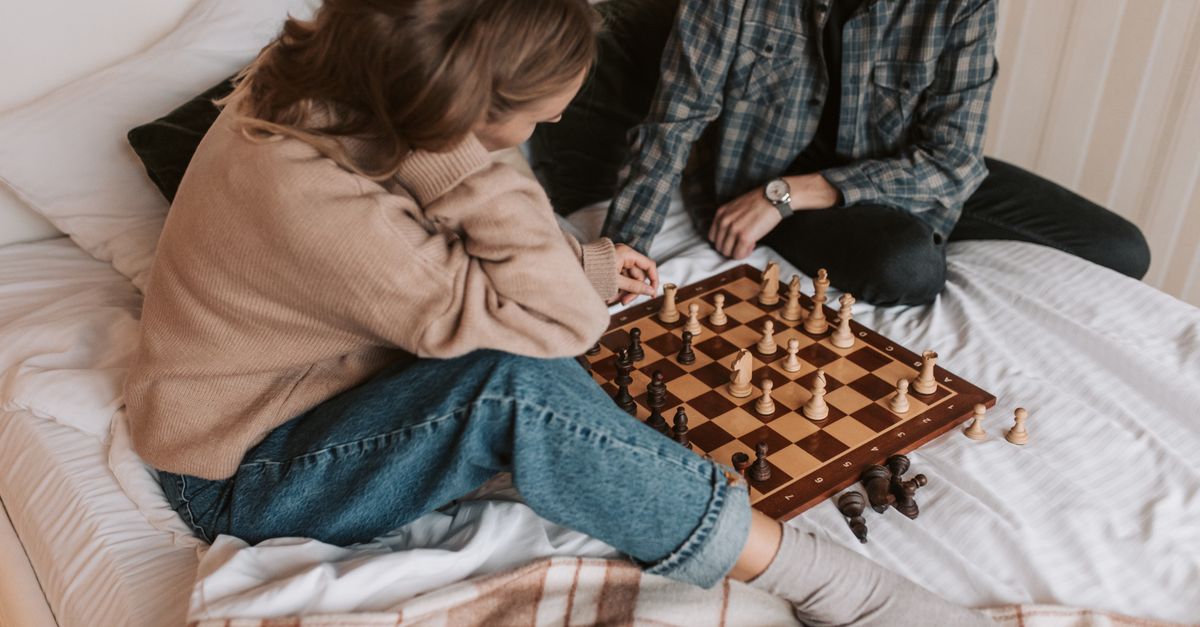
Why Most People Can't Find Time for Hobbies (And The Micro-Engagement Strategy That Actually Works)
We’ve all been there: staring wistfully at a dusty guitar, an unfinished knitting project, or a blank canvas. The desire to engage in a hobby is strong, a yearning for creative outlet or simple joy, yet the days melt into weeks, and those hobbies remain just out of reach. In my experience, the biggest lie we tell ourselves is, ‘I’ll get to it when I have more time.’ The truth is, that ‘more time’ rarely, if ever, materializes. Life is relentless, packed with work, chores, family responsibilities, and the endless demands of modern existence. The traditional approach to hobbies—setting aside large, uninterrupted blocks of time—is precisely why most people fail. It creates an insurmountable barrier for anyone not living a monastic life.
The mistake I see most often is treating hobbies like another item on a never-ending to-do list, requiring significant dedication and perfect conditions. We envision a serene afternoon, a perfectly clean workspace, and an hour or two of uninterrupted bliss. But this idealized scenario is a trap. It sets an impossibly high bar, making it easier to simply give up before we even start. What changed everything for me was realizing that hobbies don’t need grand gestures or perfect alignment. They need consistent, bite-sized attention. I call this the Micro-Engagement Strategy, and it’s the only way I’ve found to consistently weave creative pursuits into a genuinely busy life without adding more stress.
Key Takeaways
- Traditional approaches to hobbies, requiring large time blocks, are unrealistic for most busy individuals.
- Micro-engagement involves dedicating small, consistent bursts of 5-15 minutes to your hobby, making it sustainable.
- Integrate hobbies into existing routines or transition times to remove friction and make them a natural part of your day.
- Focus on the process and joy of creation, rather than striving for perfection or a finished product.
The Flawed ‘Big Block’ Approach to Hobbies
For years, I was a victim of the ‘big block’ mindset. I loved painting, but I’d tell myself I needed at least two uninterrupted hours to ‘really get into it.’ The result? I rarely painted. My canvases sat untouched, gathering dust. The mental hurdle of carving out those two hours was immense. It meant sacrificing something else: sleep, chores, family time, or even just quiet downtime. This approach creates a false dilemma, forcing hobbies into direct competition with other non-negotiable parts of our lives. When you’re constantly weighing a hobby against laundry or cooking dinner, the hobby almost always loses.
This isn’t just about time; it’s about energy. After a long day, the idea of gearing up for a two-hour commitment feels less like a joyful pursuit and more like another demanding task. We deplete our mental and physical energy on work and responsibilities, leaving little left for what we truly want to do. We procrastinate, not because we don’t care, but because the perceived cost of entry (time, energy, setup) is too high. The desire to do something perfectly or finish it in one go also plays a role. If you can’t complete a chapter of your novel or a section of your knitting in one sitting, you might feel it’s not ‘worth’ starting. This all-or-nothing mentality starves your creative spirit.
Embrace the Micro-Engagement Strategy: 5-15 Minute Bursts
The most powerful shift I made was to abandon the ‘big block’ fallacy and embrace micro-engagement. This means dedicating incredibly small, consistent bursts of time to my hobbies – often as little as 5 to 15 minutes. It sounds counter-intuitive; how much can you really achieve in 10 minutes? The answer is: more than you think, especially when those 10 minutes happen daily.
Here’s how it works: instead of waiting for a clear two-hour slot to paint, I’ll commit to just mixing colors for 10 minutes. Or applying a single layer of background. Or simply cleaning my brushes. If I’m writing, 15 minutes is enough to brainstorm ideas, outline a paragraph, or edit a few sentences. Knitting? I can complete a few rows while waiting for water to boil. The key is consistency over duration. A daily 10-minute engagement builds momentum, keeps the tools accessible, and prevents the mental block that comes with long periods of inaction. It transforms a daunting task into a manageable habit. This approach acknowledges the reality of a busy life and works with it, rather than against it.
Integrate Hobbies into Existing Transition Points
One of the biggest hurdles to starting a hobby is the friction of setup. If your painting supplies are packed away in a closet, those 10 minutes will evaporate just getting them out. The micro-engagement strategy thrives on low friction, and that means integrating your hobby into existing routines and transition points throughout your day. Think about those interstitial moments that often go to waste or are filled with mindless scrolling.
For example, I used to scroll through social media while my coffee brewed in the morning. Now, that 5-7 minute window is my ‘sketching time.’ I keep a small sketchbook and a pencil right by the coffee machine. No elaborate setup, just a quick creative burst. Similarly, while dinner cooks, I might pick up my guitar for 10-15 minutes. My daughter uses her 15 minutes before school pickup to practice piano; the instrument is always open. The trick is to identify natural pauses or shifts in your day – before work, during lunch, while waiting for a task to complete, or even right before bed – and slot in a small, pre-planned hobby activity. By tethering your hobby to an existing trigger, you reduce the mental load of deciding when to do it, making it feel less like an extra task and more like a natural part of your day’s rhythm.
Lower Your Standards: Process Over Perfection
This is perhaps the most difficult, yet crucial, aspect of making hobbies sustainable in a busy life. We often carry a heavy burden of expectation into our creative pursuits. We want the finished product to be perfect, or at least ‘good.’ This pursuit of perfection, especially in short bursts, can be paralyzing. When you only have 10 minutes, the pressure to produce something significant or flawless can make you not want to start at all.
My advice? Lower your standards dramatically. The goal of micro-engagement isn’t to complete a masterpiece in 10 minutes; it’s to engage with the process. It’s about the joy of moving your hands, the satisfaction of making a mark, the simple pleasure of working with materials. For my painting, sometimes 10 minutes is just about feeling the brush on the canvas, even if the result is abstract or ‘bad.’ For writing, it might just be free-writing random thoughts. When I knit, it’s about the rhythmic click of the needles and the texture of the yarn. Detach from the outcome and focus on the act itself. This shift liberates you from the pressure and allows the inherent enjoyment of the hobby to shine through, which is what truly makes it a sustainable practice. The ‘finished product’ becomes a happy side effect, not the primary objective.
The Cumulative Power of Small Efforts
It’s easy to dismiss 5 or 10 minutes as insignificant, thinking it won’t lead to anything substantial. This is another trap of the ‘big block’ mentality. In reality, the cumulative power of micro-engagements is immense. Think of it this way: 10 minutes a day, five days a week, is 50 minutes. Over a month, that’s more than three hours. Over a year, it’s over 60 hours. What could you accomplish in 60 dedicated hours of painting, writing, learning an instrument, or knitting? A lot.
I’ve seen this firsthand. My ‘10 minutes of just mixing colors’ often turns into a more focused 20 or 30 minutes because the initial low-friction start removed the barrier. My unfinished novel is slowly, steadily growing, one paragraph at a time. The guitar pieces I thought were too complex are becoming familiar, chord by chord. The beauty of this approach is that it builds skill, muscle memory, and creative flow almost imperceptibly. You don’t feel the drain of a huge time commitment, but you reap the benefits of consistent practice. It’s a testament to the idea that small, consistent effort truly does lead to significant results over time. Start small, stay consistent, and watch your hobbies flourish, not despite your busy life, but because you found a way to work them in.
Frequently Asked Questions
Q: What if I truly have no 5-15 minute blocks in my day?
A: I’d challenge that. Most people have more ‘found time’ than they realize. Look at moments like waiting for appointments, commuting on public transport, commercial breaks during TV, or the first few minutes after waking up. Can you keep a small, portable version of your hobby (like a notebook, knitting swatch, or drawing pad) with you to fill these gaps? Even 3 minutes is better than none. The goal is to identify and claim these often-wasted moments.
Q: My hobby requires a lot of setup and cleanup. How can I make micro-engagement work?
A: This is a common challenge. The key is to minimize friction. If possible, designate a permanent, accessible ‘hobby zone.’ For painting, that might mean an easel always set up, even in a corner, with paints within easy reach. For writing, a dedicated computer file or physical notebook that’s always open. For crafts, keep materials in a grab-and-go basket. If full cleanup is unavoidable, dedicate one micro-engagement session solely to setup, and another to cleanup, making the actual ‘doing’ part as frictionless as possible.
Q: I feel guilty just doing a hobby for such a short time, like it’s not ‘serious’ enough.
A: This stems from the perfectionist mindset we discussed. The purpose of a hobby isn’t always about serious output; it’s about enjoyment, stress relief, and creative expression. Give yourself permission for low-stakes engagement. Think of it like snacking versus a meal. Sometimes a small, enjoyable snack is exactly what you need. Over time, those ‘snacks’ will add up to a feast, but don’t let the pressure of a ‘full meal’ stop you from enjoying the moment.
Q: How do I choose which hobby to focus on if I have many interests?
A: The micro-engagement strategy is actually quite flexible for multiple interests. You could dedicate certain days to different hobbies (e.g., Monday-Wednesday for writing, Thursday-Friday for sketching). Or, if your hobbies are easily portable, cycle through them in your ‘found time’ moments. The main thing is to avoid overwhelming yourself. Pick 1-2 core hobbies to actively engage with via micro-bursts, and let others be more occasional ‘big block’ activities when time genuinely allows.
Q: I often get distracted during my micro-engagement. How can I stay focused?
A: Treat these small blocks seriously, just as you would a work task. Eliminate distractions by putting your phone on silent and out of reach. Set a timer for your 5-15 minutes, which can help your brain know it’s a dedicated focus period. A specific, small goal can also help: ‘I will write two sentences’ or ‘I will blend this one color.’ The brevity of the task can sometimes be its own motivator, knowing there’s a clear end in sight.
Written by Lena Petrova
Home & Lifestyle Efficiency
Lena, a lifelong community organizer, excels at finding simple, effective solutions for everyday living.
You Might Also Like
Why Most Budget Camping Tents Fail You (And What Actually Works for Real Durability and Comfort)
Don't get caught out in the elements! Discover why budget camping tents often disappoint and what truly works for reliable shelter and comfort.

Why Most Beginners Fail at Mastering Their New Air Fryer (And What Actually Works for Crispy, Flavorful Results)
Unlock your air fryer's full potential. Discover why common beginner mistakes lead to disappointing food and what techniques guarantee crispy, delicious results.
Why Most Beginners Fail at Mastering Their New Air Fryer (And The Layered Approach That Actually Works)
Discover why common air fryer mistakes lead to frustration and how a layered approach can unlock perfect crispy, flavorful results every time.