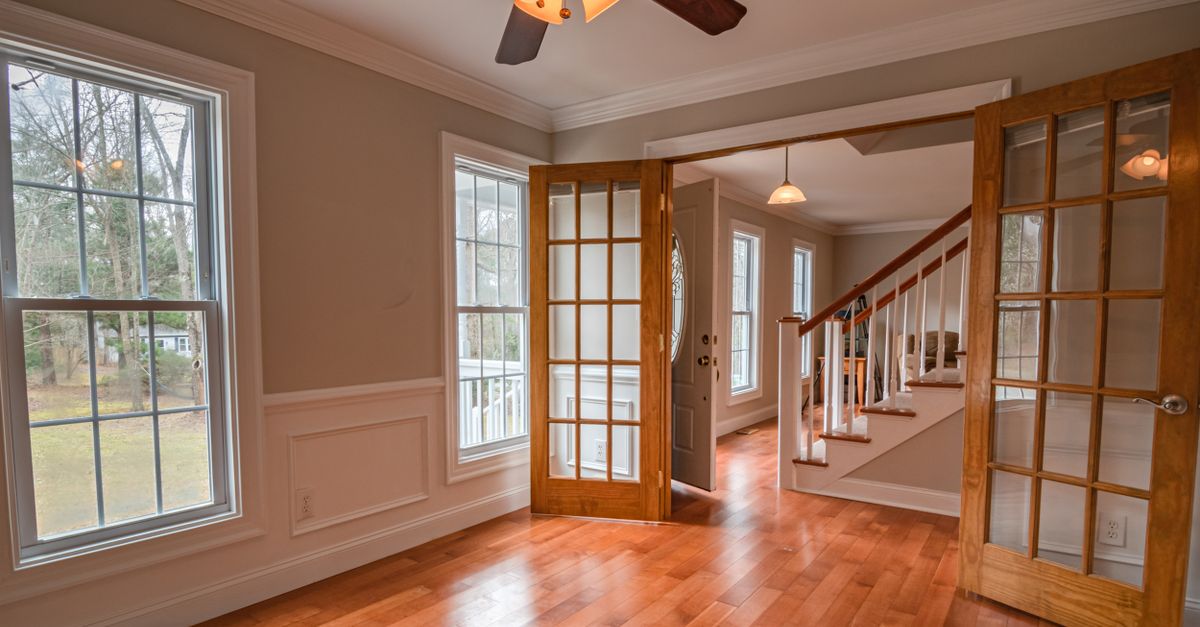
Why Your Home Always Feels Stuffy (Even With Windows Open) — And What Actually Works for Real Freshness
Do you ever find yourself opening every window in your home on a crisp day, only to have that feeling of stuffiness return within hours? It’s a common frustration, and one I’ve certainly wrestled with. You imagine the fresh breeze sweeping through, carrying away stale air and replacing it with vitality. Yet, the reality often falls short. The truth is, simply opening windows, while a good start, often isn’t enough to truly address the root causes of stale indoor air. In my experience, relying solely on natural ventilation is like trying to fill a leaky bucket—you’re constantly adding, but the problem persists.
I used to think my house just had ‘bad air.’ I’d open windows, run fans, even buy air fresheners, only to feel that familiar, slightly stagnant quality creep back in. It wasn’t until I started looking beyond the obvious that I truly understood what was happening and, more importantly, what actually works. The mistake I see most often is treating the symptom (stuffy air) without addressing the underlying systemic issues that prevent genuine air exchange and cleanliness. What changed everything for me was realizing that true home freshness is a multifaceted endeavor, requiring a combination of targeted strategies.
Key Takeaways
- Natural cross-ventilation requires strategic planning, not just opening any window.
- Indoor humidity levels are a major, often overlooked, contributor to stale air and must be actively managed.
- Your HVAC system and air filters play a critical, proactive role in maintaining fresh air year-round.
- Eliminating hidden sources of indoor pollutants is more effective than just masking odors.
- Leveraging plants and essential oils can naturally enhance air quality and perceived freshness.
Natural Cross-Ventilation: It’s About Strategy, Not Just Openings
Many people, myself included, assume that opening a window on each side of the house is enough for a good cross-breeze. In theory, yes. In practice, the effectiveness of natural ventilation depends heavily on external factors, building design, and a strategic approach. I remember one summer, I had all my windows open, but my living room still felt like a sauna. The problem wasn’t a lack of openings; it was a lack of effective air movement. The wind direction wasn’t conducive, or internal doors were blocking the flow.
To truly leverage cross-ventilation, you need to think about creating a clear path for air. Identify prevailing wind directions and open windows on the windward side (where the wind hits) and the leeward side (where the wind exits) to create a pressure differential. Open windows at different heights too – warmer, stale air rises, so a high opening will allow it to escape, while a lower opening brings in cooler, fresh air. Sometimes, opening a window just a few inches on the leeward side can create a stronger draw than fully opening it. For instance, in my home, I found that opening a small transom window in the bathroom, along with a larger window in the opposite bedroom, created a much more effective draft than simply throwing open two adjacent windows in the same room. The goal isn’t just to open; it’s to direct the flow.
Humidity: The Silent Saboteur of Freshness
This was a huge blind spot for me. For years, I didn’t connect that slightly damp, heavy feeling in the air with humidity. I thought it was just ‘stuffiness.’ The reality is, high indoor humidity (anything consistently above 50-60%) creates a breeding ground for mold, mildew, and dust mites, all of which contribute to a musty, stale odor and can exacerbate allergies. Moreover, humid air feels heavier and less fresh, even when it’s technically clean.
I learned this the hard way when I noticed a persistent, earthy smell in my basement. A quick check with a hygrometer (a small, inexpensive device that measures humidity) revealed levels consistently above 70%. Installing a good dehumidifier in that area made an immediate, noticeable difference, not just in smell but in how the air felt. Throughout the rest of the house, I now monitor humidity, especially in bathrooms and the kitchen. Running exhaust fans during and after showers and cooking, and even a small portable dehumidifier in a perpetually damp closet, has been a game-changer. Aim for indoor humidity between 30% and 50% for optimal comfort and air quality.
HVAC System & Air Filters: Your Unsung Heroes
Many homeowners treat their HVAC system as just a temperature regulator. In truth, it’s a powerful tool for air circulation and filtration. If your system is old, clogged with dust, or running with a cheap, ineffective filter, it’s actively contributing to stale air, not fighting it. I used to buy the cheapest filters available, thinking they were all the same. Big mistake.
What truly works is a two-pronged approach. First, regular maintenance is non-negotiable. Have your HVAC system professionally serviced at least once a year. This ensures coils are clean, drains are clear, and the system isn’t circulating old pollutants. Second, and equally critical, is the quality and frequency of air filter changes. Upgrade to a MERV (Minimum Efficiency Reporting Value) 8-11 filter. These capture smaller particles like pet dander, pollen, and even some mold spores, making a significant difference in air quality. I now change my filters every 1-2 months, especially during peak allergy seasons or if I have pets. The immediate effect is less dust, fewer allergens, and a distinctly fresher smell from the vents themselves. It’s an active, rather than passive, way to cleanse your indoor environment.
Eliminating Hidden Pollutant Sources
Opening windows is great for diluting pollutants, but it doesn’t remove the sources. Many everyday items in our homes off-gas Volatile Organic Compounds (VOCs) and other irritants, creating that perpetual ‘stuffy’ feeling. Think new furniture, paint, cleaning products, scented candles, and even some fabrics. These are the silent contributors to poor indoor air quality, far more insidious than a bit of stagnant air.
My personal journey involved a conscious effort to identify and reduce these sources. I switched to low-VOC paints when repainting. I replaced highly scented, chemical-laden cleaning products with natural alternatives like vinegar, baking soda, and plant-based cleaners. I opted for unscented candles or diffused essential oils instead of synthetic air fresheners. Furthermore, regular vacuuming with a HEPA-filter vacuum helps remove dust, pet dander, and other particulate matter that settles on surfaces and gets stirred up. For soft furnishings that absorb odors, like curtains and rugs, I schedule regular cleaning or airing out. It’s about creating a cleaner base level, so you’re not constantly fighting against internal air degradation.
Leveraging Natural Air Enhancers: Plants & Essential Oils
While plants alone won’t purify your air entirely, they certainly contribute to a fresher environment and can significantly improve the perception of freshness. Certain plants are known for their ability to absorb some indoor toxins, though their impact on overall air quality is often more about aesthetic and psychological benefit than drastic filtration. Similarly, essential oils, when diffused responsibly, can add a clean aroma without the synthetic chemicals found in many air fresheners.
I’ve found that incorporating a few strategic houseplants, like snake plants (Sansevieria), peace lilies (Spathiphyllum), and ZZ plants (Zamioculcas zamiifolia), into my living spaces does make a difference. They’re low-maintenance and visually appealing, adding a touch of nature. For an instant boost, I often diffuse lemon, peppermint, or eucalyptus essential oils. These don’t just mask odors; they genuinely invigorate the space and leave a clean, natural scent. It’s important to use high-quality, pure essential oils and to diffuse them intermittently, rather than constantly, especially if you have pets or small children. These aren’t primary solutions, but they are excellent complementary tools in the quest for truly fresh air.
Frequently Asked Questions
Q1: How quickly can I expect to notice a difference after implementing these strategies?
A1: You can expect to notice improvements fairly quickly, often within a few days to a week. Upgrading your HVAC filter, running a dehumidifier in a damp area, and eliminating strong pollutant sources (like switching out scented candles) will have an immediate impact on the feel and smell of your home. Strategic cross-ventilation, even for just 15-30 minutes daily, also provides a noticeable refresh.
Q2: Is it truly bad to use air fresheners or scented candles if I’m trying to make my home smell fresh?
A2: Many conventional air fresheners and scented candles contain Volatile Organic Compounds (VOCs) and other synthetic chemicals that can actually contribute to indoor air pollution and even cause respiratory irritation. While they might temporarily mask odors, they don’t solve the underlying problem and can even make the air quality worse over time. Opt for natural alternatives like diffusing pure essential oils, using activated charcoal bags, or simply addressing the source of the odor.
Q3: How do I know if my indoor humidity is too high or too low?
A3: The best way to measure indoor humidity is with a hygrometer, which you can purchase for under $20. Ideally, your indoor humidity should stay between 30% and 50%. If it’s consistently above 60%, you may need a dehumidifier. Below 30%, especially in winter, you might consider a humidifier for comfort and health, but ensure it’s cleaned regularly to prevent mold growth.
Q4: Are there specific plants that are better for air quality than others?
A4: While all plants convert carbon dioxide to oxygen, some are better at removing certain air toxins. NASA’s Clean Air Study highlighted plants like the Snake Plant (Sansevieria trifasciata), Peace Lily (Spathiphyllum), ZZ Plant (Zamioculcas zamiifolia), Spider Plant (Chlorophytum comosum), and Boston Fern (Nephrolepis exaltata) as particularly effective. However, it’s important to remember that you’d need a very large number of plants to significantly purify a whole room’s air. Their benefit is often more about aesthetics, improved mood, and a marginal contribution to cleaner air.
Q5: How often should I change my HVAC filter?
A5: The general recommendation is every 1-3 months, but this can vary based on several factors. If you have pets, allergies, or live in a dusty area, aim for monthly changes. For homes without these factors, every 2-3 months is usually sufficient. Visually inspect your filter regularly; if it looks visibly dirty, it’s time for a change regardless of the calendar date.
In my journey to a fresher home, I’ve learned that it’s rarely one quick fix. It’s a combination of understanding how air truly moves, controlling environmental factors like humidity, proactively cleaning what you can’t see, and consciously reducing pollutants. Start by implementing just one or two of these strategies, like upgrading your HVAC filter and monitoring humidity. You’ll be amazed at the difference a truly fresh home can make, not just for your comfort, but for your overall well-being.
Written by Lena Petrova
Home & Lifestyle Efficiency
Lena, a lifelong community organizer, excels at finding simple, effective solutions for everyday living.
You Might Also Like

Why Most Budget Camping Tents Fail You (And What Actually Works for Real Durability and Comfort)
Don't get caught out in the elements! Discover why budget camping tents often disappoint and what truly works for reliable shelter and comfort.

Why Most Beginners Fail at Mastering Their New Air Fryer (And What Actually Works for Crispy, Flavorful Results)
Unlock your air fryer's full potential. Discover why common beginner mistakes lead to disappointing food and what techniques guarantee crispy, delicious results.
Why Most Beginners Fail at Mastering Their New Air Fryer (And The Layered Approach That Actually Works)
Discover why common air fryer mistakes lead to frustration and how a layered approach can unlock perfect crispy, flavorful results every time.